Emergency Dentist Advice for Managing Fear During Urgent Care
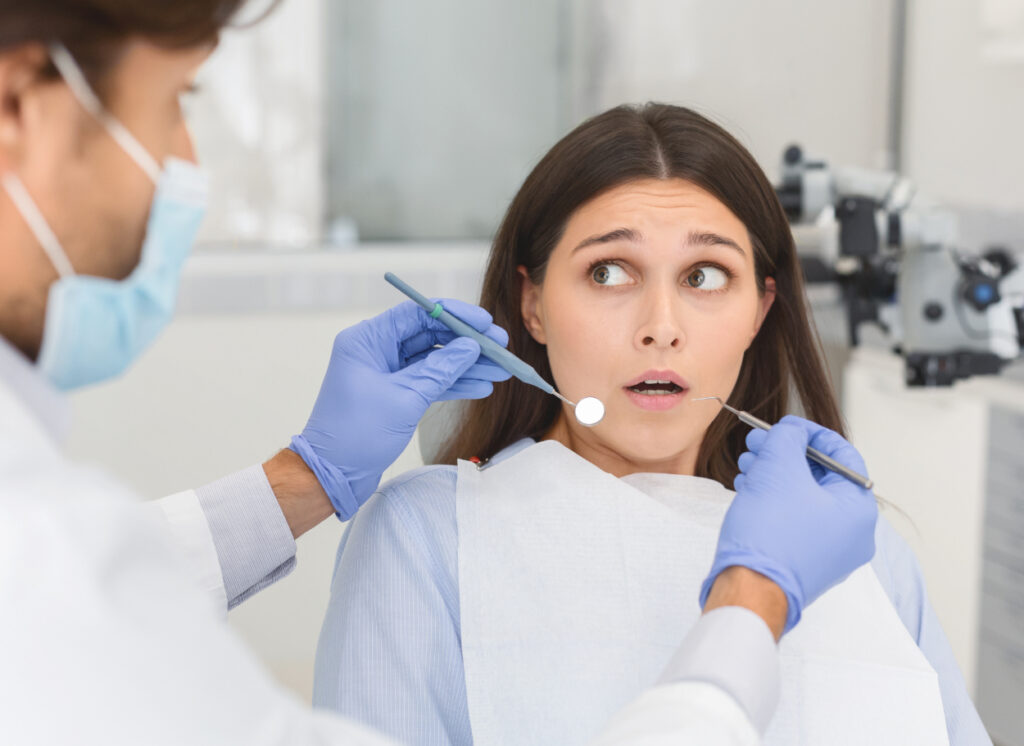

Dental pain has a way of collapsing the distance between intention and action. People who have postponed routine visits for years will call an Emergency Dentist within minutes of waking up with a swollen face, a broken molar, or a sharp pulse that seems to travel from tooth to temple. The urgency is obvious. What is less obvious, and often more powerful, is the fear that comes with it.
Urgent dental care can stir up old memories, embarrassment about the condition of your mouth, fear of needles, fear of bad news, and fear of losing control in a chair while someone works inches from your eyes. Those reactions are common. They are not signs of weakness, and they do not mean you are being difficult. In practice, some of the most anxious emergency patients are also the most cooperative once they feel heard and know what will happen next.
The good news is that fear during urgent care can be managed. Not erased, usually, but managed well enough that treatment happens safely and with far less distress than people expect. A professional emergency team sees this every day. They know the pain is real, the anxiety is real, and both deserve attention.
Why fear spikes during a dental emergency
Routine dentistry gives people a sense of runway. An emergency does the opposite. There is little time to prepare, pain lowers your threshold for stress, and the uncertainty is often worse than the injury itself. A chipped front tooth before a major event triggers one kind of panic. A lower molar that starts throbbing at midnight, followed by swelling at breakfast, triggers another. Both create a feeling that something is wrong now, and that can push the nervous system into overdrive.
Pain also changes behavior. People breathe shallowly, clench their shoulders, replay worst-case scenarios, and become hyperaware of every sensation. That state makes ordinary dental sounds and smells feel more threatening. Even the waiting room can seem louder and slower than it is.
Previous experiences matter too. Patients often carry vivid memories from years earlier, sometimes from childhood, when dentistry felt less comfortable or less well explained. Those memories can return with surprising force during an emergency. A person may know rationally that modern anesthetic techniques are better and that today’s clinic is different, yet still feel dread the moment they sit down.
Then there is shame, which is quieter but just as influential. Many emergency visits happen after a filling breaks around old decay, a crown comes loose, or a tooth has been hurting off and on for months. Patients commonly apologize before anyone has looked in their mouth. A seasoned clinician knows that shame tends to make people delay care longer, which in turn can make treatment more complex. The most helpful response is not judgment. It is calm, direct care.
What an Emergency Dentist wants anxious patients to know
An Emergency Dentist is not expecting a polished, ideal patient. Urgent care is messy by nature. People arrive sleep deprived, swollen, scared, and sometimes in tears. They may not have eaten. They may have taken pain medicine that barely touched the discomfort. Some walk in convinced they need a tooth pulled, only to find that the problem is treatable in a more conservative way. Others hope it is minor and learn there is a deeper infection that needs immediate attention.
The priority is to stabilize the situation, reduce pain, and decide what must be done now versus what can wait. That distinction matters because fear often comes from imagining a huge procedure when the actual visit may focus first on diagnosis, drainage, temporary repair, or getting the area numb and calm.
Experienced emergency teams usually move in a sequence that helps anxious patients more than they realize. They listen first, check for red flags such as facial swelling, fever, difficulty swallowing, or trauma, take imaging if needed, explain what they think is happening, and offer options. When that explanation is clear, people often settle noticeably. Fear thrives in ambiguity. It loses some force when the patient hears, “The nerve is inflamed, the tooth is restorable, and today we need to get you comfortable,” or, “The crack extends below the gumline, which changes our options, and here is why.”
That is one of the simplest but strongest truths in emergency care. Anxiety drops when patients know what is happening, what it will feel like, how long it will take, and what signals they can use if they need a pause.
The first conversation can change the whole appointment
The best time to address fear is often before you arrive. If you call the practice and say, “I’m in pain and I’m very anxious about dental treatment,” that information helps. Good front-desk teams do more than book a time. They can tell the clinical staff that anxiety is a major concern, explain whether you should eat beforehand, ask what medicines you have taken, and let you know what identification or insurance information to bring so you do not have to untangle paperwork while panicking.
If your fear has a specific trigger, say that too. It may be injections, the sound of suction, lying flat, feeling numb, or the fear of gagging. Those details matter. They allow the team to adapt their approach instead of guessing. A patient who says, “I do fine until the needle comes out,” needs a different strategy than someone who says, “I cannot handle not knowing what is happening.”
A short, honest script is often enough: “I can do this, but I need you to explain each step and give me breaks.” That gives the clinician something practical to work with.
What helps before you leave home
People often assume anxiety management starts in the dental chair. In reality, it starts earlier, with small decisions that lower the stress load.
If possible, avoid rushing. Give yourself extra travel time. Last-minute panic in traffic can amplify everything. Wear comfortable clothing, especially if swelling or jaw pain makes you tense. Bring a charged phone, your medication list, and, if the office allows it, a trusted companion who can drive or simply sit with you before the visit.
Be careful with self-treatment. Taking more pain medication than directed, placing aspirin directly on the gums, or trying to glue a broken tooth yourself tends to create more problems. A cold compress on the outside of the face can help with swelling in some cases, but it is not a substitute for assessment if the area is enlarging or if swallowing or breathing feels affected.
Food is another practical detail. Some emergency procedures are easier if you have eaten lightly, especially if you are pain-shaky or prone to feeling faint. On the other hand, if the office has given instructions to avoid eating because sedation may be discussed, follow those instructions. If you are unsure, ask when you call.
Five ways to lower fear during the visit
-
Agree on a stop signal before treatment starts. Raising a hand gives patients a sense of control, and it gives the clinician a clean, nonverbal cue to pause.
-
Ask for a plain-language explanation. Knowing whether the goal is diagnosis, temporary relief, drainage, repair, or extraction removes a great deal of dread.
-
Focus on slow exhalation. A longer exhale than inhale can quiet the body faster than trying to “calm down” by force.
-
Request numbing expectations upfront. Hearing, “You will feel pressure, not sharp pain, and if you do feel sharpness, tell me immediately,” is reassuring because it sets a clear standard.
-
Let the team know if embarrassment is part of the fear. Shame tends to silence patients. Naming it often breaks its hold.
These are not tricks in the superficial sense. They work because they restore predictability and control, the two things anxiety strips away first.
Pain control is central, and it is more nuanced than many people think
Fear and pain are tightly linked. When patients worry they will hurt, they tense. Tension makes injections, jaw opening, and even simple examinations feel harder. A skilled emergency clinician usually addresses pain control in layers rather than with a single gesture.
Local anesthetic is the foundation for many urgent procedures, but technique matters. The speed of injection, the condition of the tissues, the degree of infection, and the exact location all affect comfort and effectiveness. Inflamed tissue can be more difficult to numb fully, which is why some emergency visits require patience and supplemental techniques rather than one quick shot and immediate drilling. An honest dentist will say so.
For anxious patients, it helps to hear that pressure, vibration, and movement are normal sensations even when pain is blocked. Many people interpret any sensation as a sign that anesthesia has failed. Distinguishing between pressure and pain prevents panic from snowballing. If something does hurt sharply, saying so right away is important. Stoicism is overrated in dentistry. The team would rather pause, adjust, and get you properly numb than push through a bad experience.
Sedation may be an option in some settings, but it is not universal and it is not always necessary. Nitrous oxide can take the edge off for some patients. Oral sedation may be appropriate in selected cases, depending on timing, health history, and whether someone can accompany you. Severe swelling, infection, or complex medical factors can limit choices. That is why asking ahead is useful, but staying flexible is wiser than assuming one specific method will be available.
When fear comes from bad past experiences
A great deal of dental anxiety is learned. Someone once felt trapped, dismissed, undernumbed, or surprised by pain, and now every future visit carries that imprint. In emergency care, there is not always time for a long therapeutic reset, but there is usually enough time to make the next experience meaningfully better.
The most important step is specificity. “I had a bad experience before” is helpful, but “Last time the dentist kept going after I said I could feel it,” is much more actionable. So is, “I panic when my mouth fills with water,” or, “I gag when I lie back too far.” Those details let the team adjust suction, positioning, pacing, and communication.
Many clinicians who handle urgent cases are particularly good at this because emergencies force adaptation. A patient with trismus from infection cannot open wide. A patient with trauma may not tolerate lip retraction. A patient with intense gag reflex may need frequent pauses and a more upright chair. Practical accommodations are part of the job.
There is also emotional value in hearing a clinician acknowledge the old experience without becoming defensive on behalf of dentistry. A simple response such as, “I’m sorry that happened. Let’s make a plan so it does not happen again,” can lower the emotional temperature more than elaborate reassurance.
Children, teens, and fearful adults do not need the same approach
Fear looks different at different ages. Young children may cry before anyone touches them because the environment itself feels strange. Teenagers often try to appear unaffected until they suddenly become pale or faint. Adults are frequently the most embarrassed, particularly when the emergency relates to neglected care or a visible break.
With children, language matters. Vague promises such as “nothing will happen” backfire the moment something does happen. Better wording is concrete and brief: “The dentist will count your teeth, take a picture, and help the sore one feel better.” For teens, privacy and directness matter more. Many respond well when they are addressed as the primary patient rather than spoken about as though they are not in the room.
Adults often benefit from a more collaborative frame. They want to know not only what the immediate fix is, but the downstream implications. If a front tooth is fractured, can it be bonded today, and how long might that hold? If an infected molar is opened to relieve pressure, will a root canal or extraction follow soon? Anxiety tends to decrease when adults can mentally map the next few days, not just the next 30 minutes.
The situations that scare people most
Some emergencies reliably trigger a stronger fear response than others. Trauma is one. A fall, sports injury, or sudden break during a meal can create shock along with pain. Blood in the mouth looks dramatic, even when the actual injury is manageable. Clear communication is especially important here because patients often assume the damage is worse than it is, or occasionally much less serious than it is.
Swelling is another major trigger. A puffy cheek signals infection to most people, and rightly so. Not every swelling is dangerous, but infections can spread, and facial swelling should never be shrugged off. The combination of pain, visible change, and uncertainty about severity is unsettling. If swelling is increasing, if there is fever, or if swallowing or breathing becomes difficult, that crosses into urgent medical territory quickly.
Tooth loss or a loose tooth in an accident creates a different kind of panic because time matters. A knocked-out permanent tooth has the best chance when handled properly and assessed quickly. Parents in particular can become overwhelmed in those moments. The clinic’s job is not only to treat the injury but to bring order to a chaotic scene.
Then there is the severe, deep ache that keeps people awake. Night pain feels psychologically heavier than daytime pain. Hours stretch, fear magnifies, and by morning many patients are exhausted. Exhaustion lowers tolerance for everything, including sounds, waiting, and decision-making. In those cases, the most therapeutic thing a clinician may do initially is speak slowly, clearly, and without alarm.
Questions worth asking, even if you feel flustered
An anxious patient does not need to ask twenty questions. A few strong ones are enough to anchor the visit and reduce uncertainty.
- What do you think is causing the pain or swelling?
- What needs to happen today, and what can wait?
- How will you make sure I’m comfortable during treatment?
- What should make me call back today or go to urgent medical care?
- What is the likely next step after this visit?
These questions work because they target the things fear feeds on most: cause, urgency, comfort, safety, and what comes next.
Aftercare matters because anxiety often rebounds later
Many patients feel a wave of relief once the appointment is over, then become anxious again at home. The numbness wears off. The jaw feels sore from being open. The temporary filling feels strange. They start wondering whether the pain level is normal or whether the swelling should already be better.
This is where clear aftercare instructions make an enormous difference. Good instructions describe not only what to do, but what to expect. For example, it is helpful to know that tenderness after an extraction can be normal, while rapidly increasing swelling, uncontrolled bleeding, fever, or worsening difficulty opening the mouth deserves prompt follow-up. It helps to know whether a temporary repair is meant to last days, weeks, or longer, and what habits might dislodge it.
Anxiety can distort normal recovery sensations into perceived emergencies. It can also do the opposite, leading someone to minimize a genuine problem because they are embarrassed to call back. If something feels off, especially after urgent care for infection or trauma, checking in is appropriate. Practices would much rather answer a sensible question early than see a preventable complication later.
The long-term value of handling one emergency well
A single well-managed emergency visit can change someone’s relationship with dentistry. That may sound ambitious, but it happens often. People who have spent years avoiding care sometimes discover that the part they feared most was not the treatment itself. It was the anticipation, the uncertainty, and the memory of feeling powerless.
When an Emergency Dentist listens, explains, numbs carefully, and respects the patient’s pacing, the result is bigger than pain relief. It creates evidence, in the patient’s own lived experience, that dental care does not have to feel chaotic or punishing. That matters later, when follow-up treatment is needed, or when it is finally time to address the issues that were postponed.
There is also practical wisdom in using the emergency as a reset point. Once the immediate crisis is controlled, ask what preventive step would make another urgent visit less likely. That might be treating decay before it reaches the nerve, replacing a failing crown, getting a night guard for clenching, or simply returning for an exam while things are quiet. Fear tends to shrink when https://trentontrlx307.trexgame.net/emergency-dentist-guide-to-understanding-same-day-dental-repairs care becomes planned rather than reactive.
No one earns extra credit for white-knuckling a dental emergency in silence. The best urgent care is not just technically competent. It is emotionally intelligent. It recognizes that a frightened patient still deserves clarity, dignity, and effective pain control. If you are scared and in pain, say so plainly. The right team will not see that as a problem to manage around. They will see it as part of the case, and they will treat it that way.
Simple Dental Vermont
Address: 8914 S Vermont Ave, Los Angeles, CA 90044
Phone number: +13239493000
FAQ About Emergency Dentist Los Angeles CA
What can the ER do for a tooth?
The emergency room can provide temporary symptom relief for a bad tooth, such as prescribing pain medicine or antibiotics, but it cannot fix the actual dental problem.
What is the 3-3-3 rule for tooth infection?
The 3-3-3 rule for a toothache or infection typically means taking three 200 mg ibuprofen tablets (600 mg total) three times a day for no more than three days to control pain and swelling while waiting to see a dentist.
What do you do if you have a dental emergency but no dentist?
If you have a dental emergency and no regular dentist, you should search for an urgent care dental clinic, call local walk-in dental offices, or go to a hospital emergency room if you have severe bleeding, swelling, or trouble breathing.